Two-Page Overview
Selected Résumé
Selected creative work, performances, recognition, teaching, and arts leadership.
Open Selected Résumé
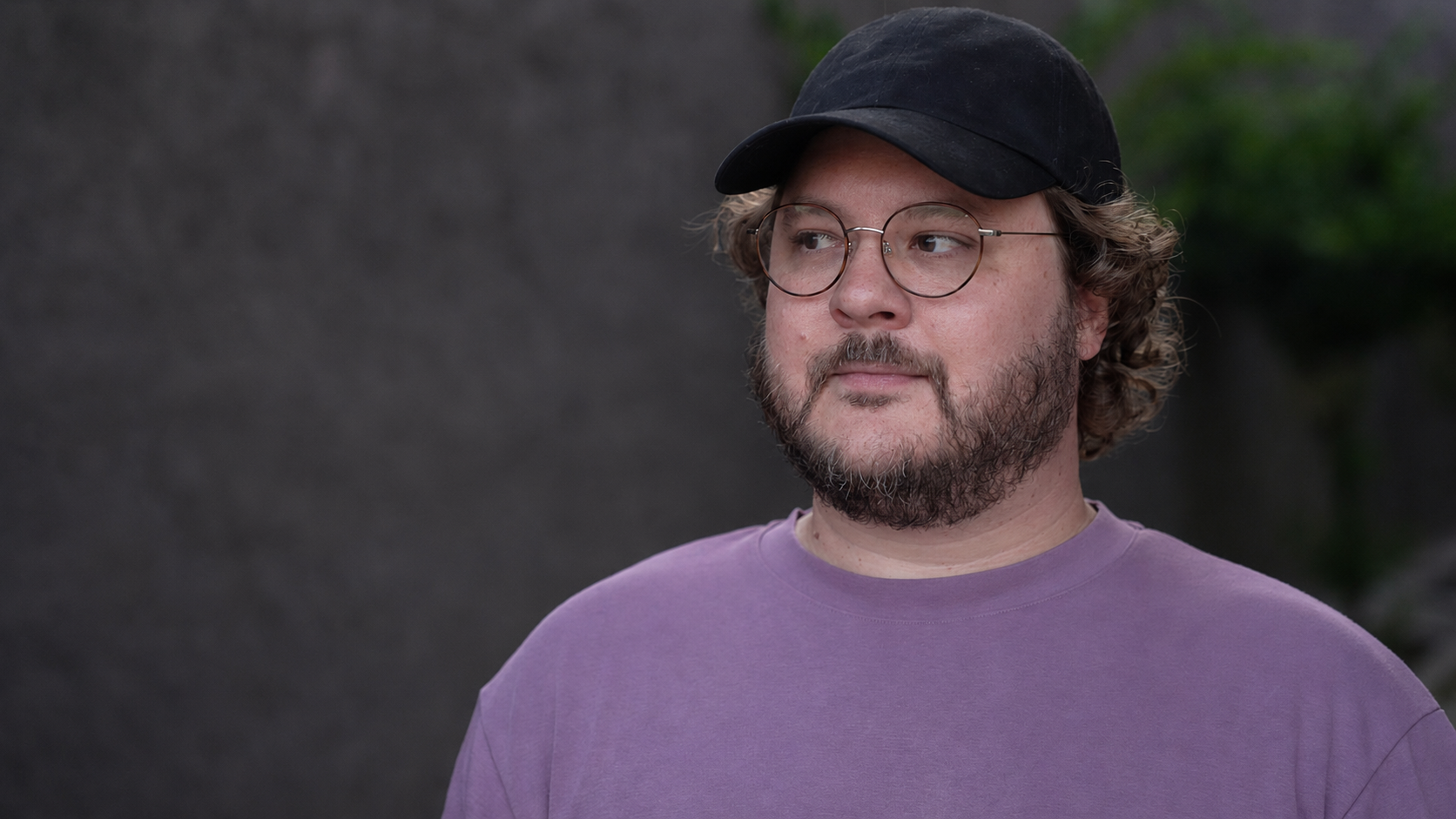
Cabell’s work draws from classical and popular traditions as well as nature, visual art, literature, social questions, ritual, and Western esotericism.
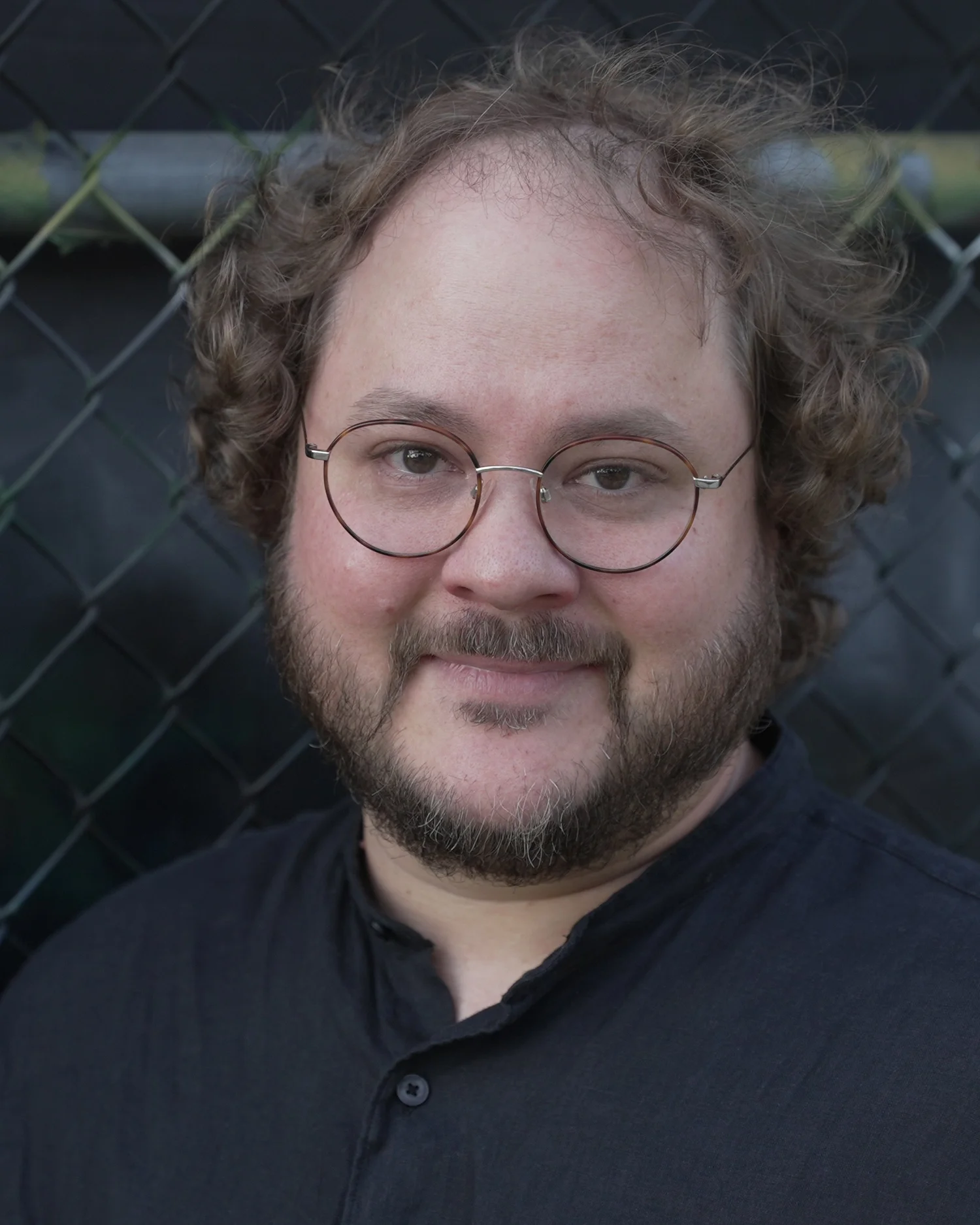
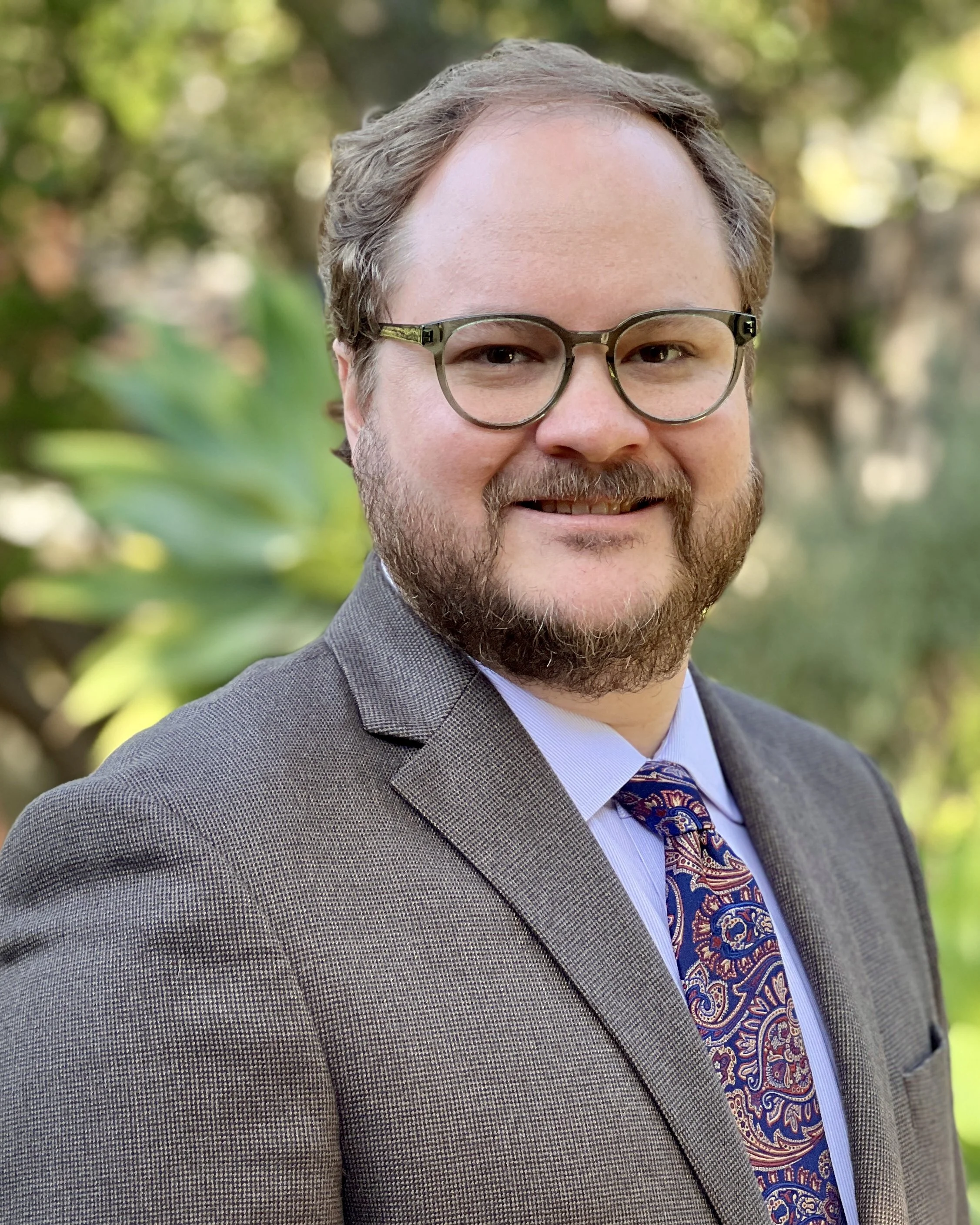
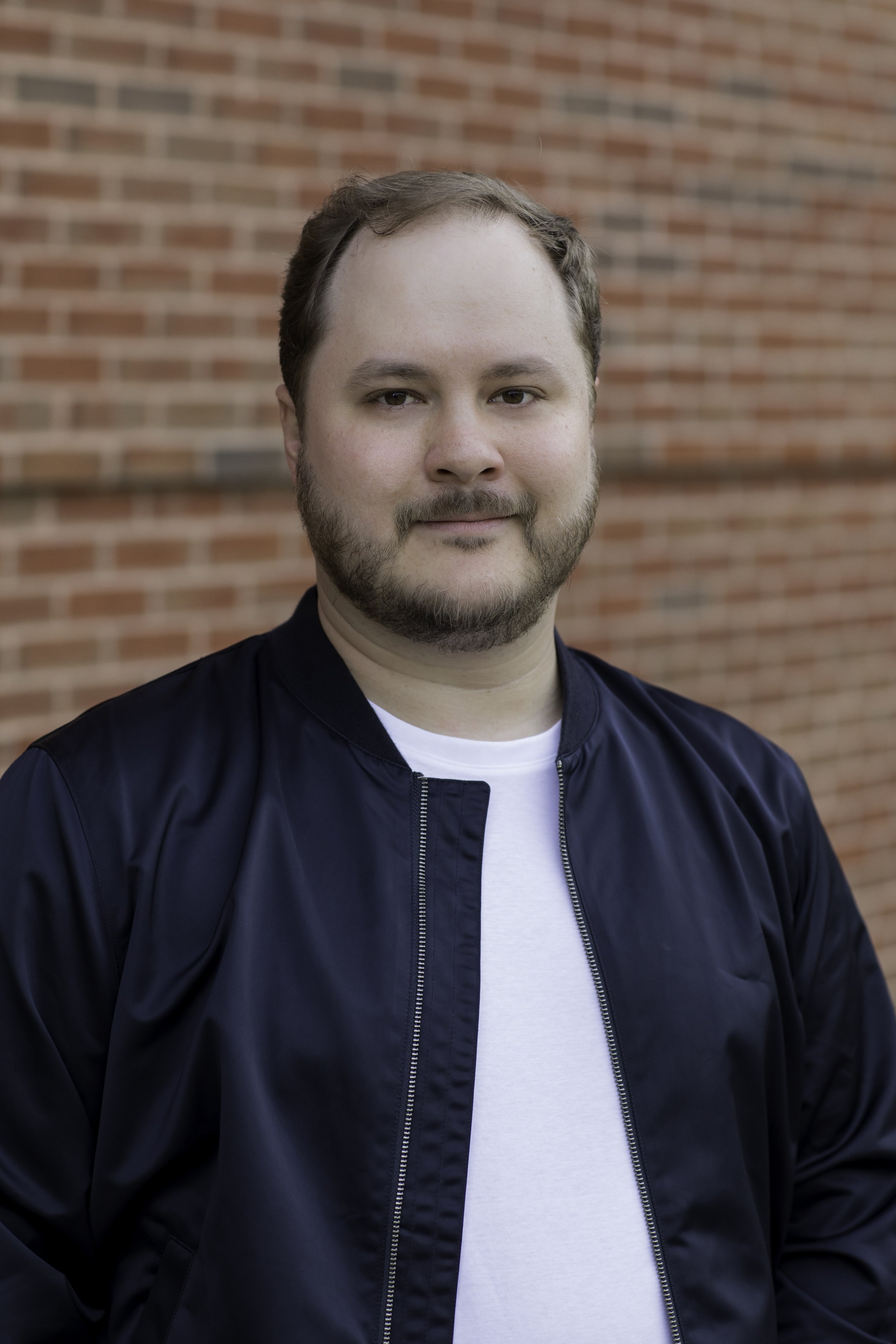
Stephen Cabell (b. 1984) is a Los Angeles-based composer and educator whose work spans orchestral, wind ensemble, chamber, vocal, electroacoustic, electronic, film, and multisensory music. Originally from Owensboro in western Kentucky, his work draws from classical and popular traditions as well as nature, visual art, literature, social questions, ritual, and Western esotericism.
His music is guided by his artistic mantra: engage, enrich, and disturb. He is interested in transformation—how ideas and sensory materials can be reimagined through sound—and in music that moves between contrasting states: austere and sensual, satirical and sincere, serene and savage.
His works often begin with concrete images, texts, systems, rituals, or other extra-musical ideas. These sources shape the structure and character of the music while leaving room for listeners to form their own interpretations.
Recent projects include Symphony: “Transmutation,” a large-scale orchestral work premiered by the Mostly Modern Orchestra conducted by David Amado; Nocturne in Parallax, a piano trio for the Suncoast Composer Fellowship Program; Book of Spells, a brass quintet for the Atlantic Brass Quintet; Antidotum Tarantulæ, a double brass quintet for the Los Angeles Brass Alliance; and Echo’s Lament, a work for solo horn and piano pedal commissioned by the Curtis Institute of Music for its 100th anniversary.
His current projects include a new multisensory cello concerto structured as a suite of movements, each centered on a different fragrance note within a perfume accord. Audience members are invited to smell the corresponding scent material as each movement unfolds. The final movement brings the individual scent notes and their corresponding musical materials together in a climactic finale.
In recent years, Cabell’s practice has expanded from primarily concert music toward projects that connect sound with ritual, memory, perception, scent, flavor, and lighting. This work has led to larger and more collaborative projects and has changed how he thinks about musical form, audience experience, and what a concert can include.
His multisensory work treats scent, flavor, touch, and other nonvisual materials as structural parts of a composition rather than as additions to the music. He is interested in how these materials can shape attention, emotion, memory, and perception, and in how multisensory performance can create ways of experiencing and accessing music that do not privilege sight.
Cabell’s music has been recognized with the Joseph H. Bearns Prize in Music from Columbia University, the Prix Nadia Boulanger from Les Écoles d’Art Américaines de Fontainebleau, two ASCAP Morton Gould Young Composer Awards, the Marylyn K. Glick Young Composer Award from the Indianapolis Symphony, the Peter David Faith Endowed Memorial Award in Composition, the Hans J. Salter Endowed Music Award, and ASCAP Plus Awards.
His residencies and fellowships include Yaddo, Les Écoles d’Art Américaines de Fontainebleau, the Aspen Music Festival and School, the Suncoast Composer Fellowship Program, Mostly Modern Festival, Atlantic Music Festival, Lewes Chamber Music Festival, and Queens New Music Festival.
His orchestral works have been performed by the Indianapolis Symphony, Owensboro Symphony, Curtis Symphony, USC Thornton Orchestra and Wind Ensemble, Mostly Modern Orchestra, and Atlantic Music Festival Orchestra, among others. He has worked with conductors including Teddy Abrams, David Amado, Yoonhak Baek, Andrew Hauze, Nicholas Palmer, H. Robert Reynolds, Benjamin Schwartz, and Mario Venzago.
His chamber music has been performed by Imani Winds, the Atlantic Brass Quintet, American Modern Ensemble, Talea Ensemble, Ensemble Dal Niente, Mostly Modern Ensemble, Los Angeles Brass Alliance, and Iktus Percussion, as well as by performers including Lisa Moore, David Fung, Sean Kennard, Futaba Niekawa, and Alicia Choi.
Cabell serves as Visiting Associate Professor of Music Theory at Occidental College. He is also a longstanding member of the composition faculty and leadership team at Mostly Modern Festival, where he mentors emerging composers and contributes to the festival’s artistic and administrative planning in Saratoga Springs, New York, and Middelburg, Netherlands.
He previously taught at Chapman University, the Manhattan School of Music Precollege, the Kaufman Music Center, and the Atlantic Music Festival.
Cabell studied composition with Sean Friar and Andrew Norman at the USC Thornton School of Music, where he earned the D.M.A.; with Christopher Rouse at The Juilliard School, where he earned the M.M.; and with Richard Danielpour, Jennifer Higdon, and David Ludwig at the Curtis Institute of Music, where he earned the B.M. He is also a graduate of Interlochen Arts Academy, where he studied French horn, piano, and composition.
Away from composing and teaching, Cabell is often in the kitchen, experimenting with food, drinks, smoke, and flavor as forms of craft, improvisation, and gathering. His interest in material practices also extends to bookbinding, candle making, perfumery, and tincture making, where process, patience, and sensory detail become forms of study. He also builds simple instruments and contraptions, including microtonally tuned pipes, and shares his home with Toney, an orange tabby cat of considerable authority.
Stephen Cabell is a Los Angeles-based composer and educator whose music seeks to engage, enrich, and disturb. Moving between the austere and the sensual, his work spans orchestral, wind ensemble, chamber, vocal, electroacoustic, film, and multisensory music.
His music has been performed by the Indianapolis Symphony Orchestra, Imani Winds, Atlantic Brass Quintet, Talea Ensemble, Ensemble Dal Niente, American Modern Ensemble, and Los Angeles Brass Alliance. Recent projects include Symphony: “Transmutation”, premiered by the Mostly Modern Orchestra under David Amado; Book of Spells, written for the Atlantic Brass Quintet; Antidotum Tarantulæ, commissioned by the Los Angeles Brass Alliance; and Echo’s Lament, commissioned by the Curtis Institute of Music for its centennial.
Cabell’s honors include the Joseph H. Bearns Prize from Columbia University, the Prix Nadia Boulanger, two ASCAP Morton Gould Young Composer Awards, and the Indianapolis Symphony’s Marylyn K. Glick Young Composer Award. He serves as Visiting Associate Professor of Music Theory at Occidental College and is a longstanding member of the composition faculty and leadership team at Mostly Modern Festival, where he mentors emerging composers and contributes to the festival’s artistic and administrative planning. He holds degrees from the Curtis Institute of Music, the Juilliard School, and USC Thornton School of Music.
Download a concise overview or the complete record of Stephen Cabell’s creative, academic, and professional work.
Selected creative work, performances, recognition, teaching, and arts leadership.
Open Selected RésuméComplete record of professional appointments, teaching, creative work, leadership, presentations, and recognition.
Open Full CV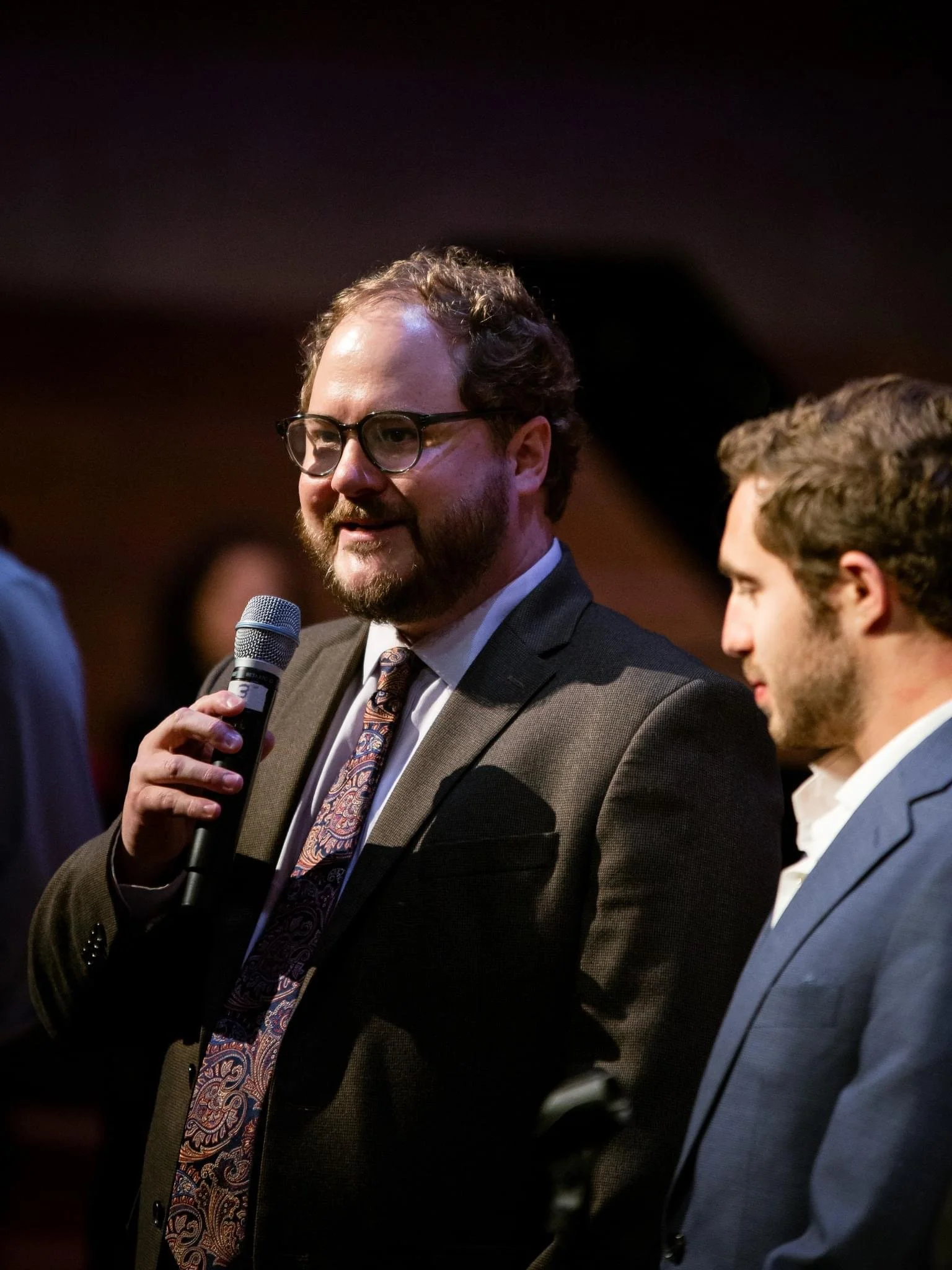
Stephen Cabell discusses his music, creative process, and artistic perspective. Video by Joe Pera .
Listen to selected performances, explore the complete catalogue, or get in touch about performances, commissions, teaching, and other inquiries.